“Tell me about yourself” is often the very first question in an interview. It sounds easy, which is exactly why so many people answer it badly. They either recite their whole resume or say something vague. Neither helps.
Here is a simple formula that works for almost any role.
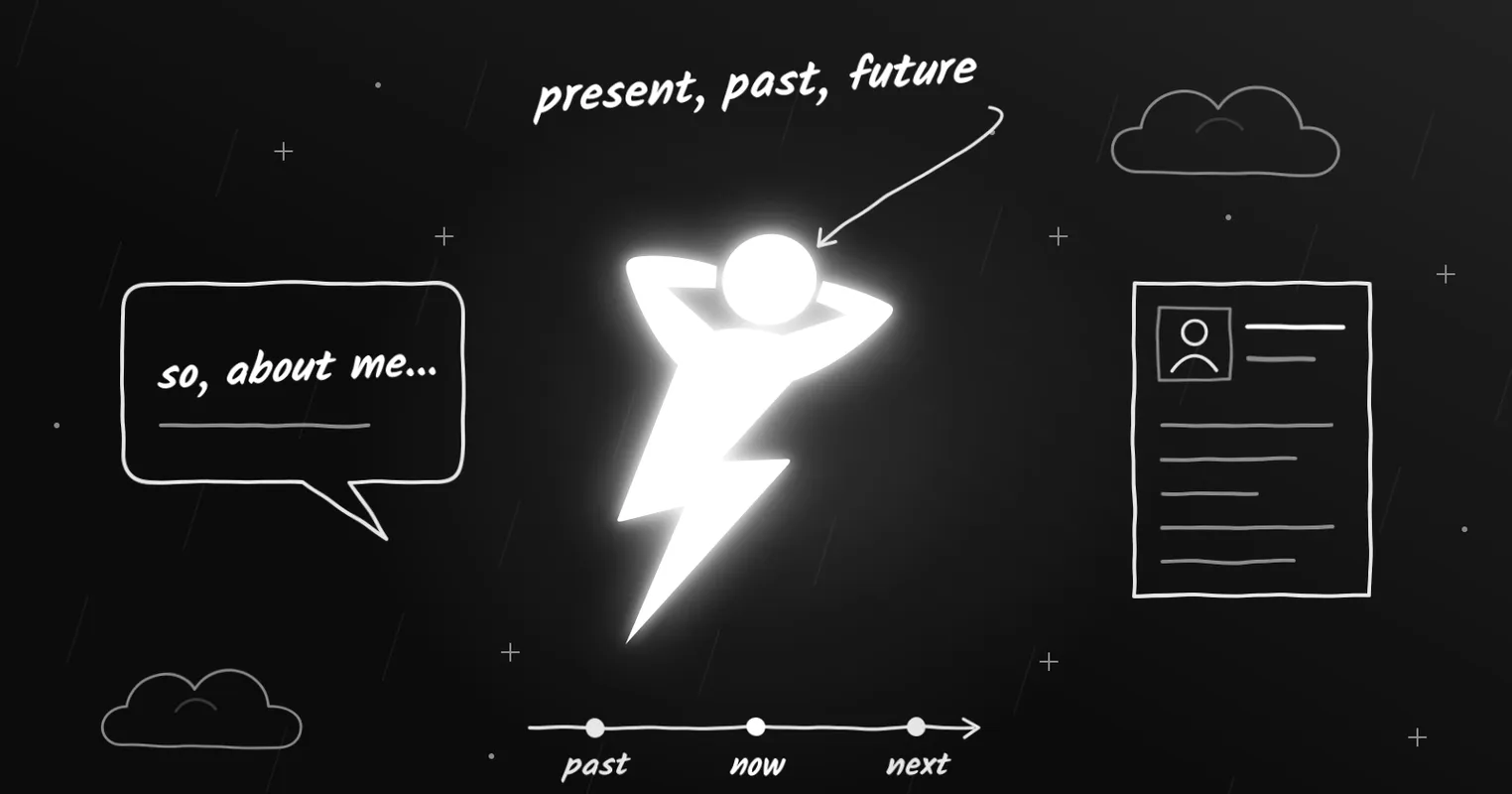
The formula: present, past, future
- Present: what you do now, in one or two sentences.
- Past: one or two experiences that explain how you got here, with a concrete result.
- Future: why you are interested in this role, and how it connects to what you just said.
Aim for about one minute. That is enough to give the interviewer a clear picture and good material for follow-up questions.
Example: software engineer
“I am a backend engineer with five years of experience building payment systems. Right now I lead a small team that runs our card processing services.
Before that, I worked at a startup where I helped move our payments from a single server to a set of services, which cut our outage time by more than half.
I am excited about this role because your team is building payment infrastructure at a much bigger scale, and that is exactly the kind of problem I want to work on next.”
Example: career changer
“I am a data analyst, and for the last two years I have been moving toward software engineering. I now spend most of my time building internal tools in Python.
I started in finance, which taught me to work carefully with numbers and explain results to people who are not technical. One of my tools now saves our team about ten hours a week.
This role interests me because it mixes data and engineering, and I want to grow as a developer on a team that cares about both.”
Example: coming back after a layoff
Being laid off is common, especially in the last few years. You do not need to hide it, and you do not need to over-explain it.
“I am a product manager with six years in consumer apps. Most recently I led the onboarding experience for a fitness app with a few million users, until my team was cut in a company-wide restructuring.
During that time, I improved new user retention by redesigning our first-week experience.
I am looking for a role where I can build products people use every day, and your team’s focus on habit-building apps is a great match.”
Short, factual, and then back to your strengths.
Mistakes to avoid
- Reading your resume out loud. They have already seen it.
- Starting with your childhood or school, unless you are a recent graduate.
- Talking for five minutes. Keep it to about one.
- Ending without a link to the job. The last sentence should explain why you are in this interview.
How to practice
Write your answer, then say it out loud ten times. Record yourself once and listen. Cut anything that does not support the story.
Where InterviewStorm helps
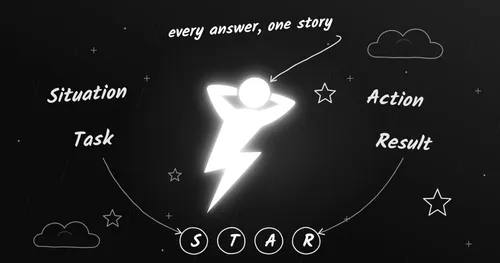
InterviewStorm reads your resume and the job post, so it can suggest an opening answer that pulls your most relevant experience and connects it to the role. Use it to practice this question and the behavioral questions that follow. For those, see our STAR method guide.