How to Answer "What Is Your Greatest Weakness?" (With Examples)
- Andrew C. Lewis
- 18 Sep, 2026
- 02 Mins read
“What is your greatest weakness?” makes a lot of candidates nervous. They worry that an honest answer will cost them the job, so they give a fake one like “I work too hard.” Interviewers have heard that a thousand times, and it usually hurts more than it helps.
The good news is that this question is not really about your weakness. It is about self-awareness and growth.
What the interviewer wants to learn
- Do you understand your own strengths and limits?
- Can you take feedback and act on it?
- Is the weakness a deal breaker for this specific job?
A good answer shows a real weakness that you are actively improving, and that does not block you from doing the job well.
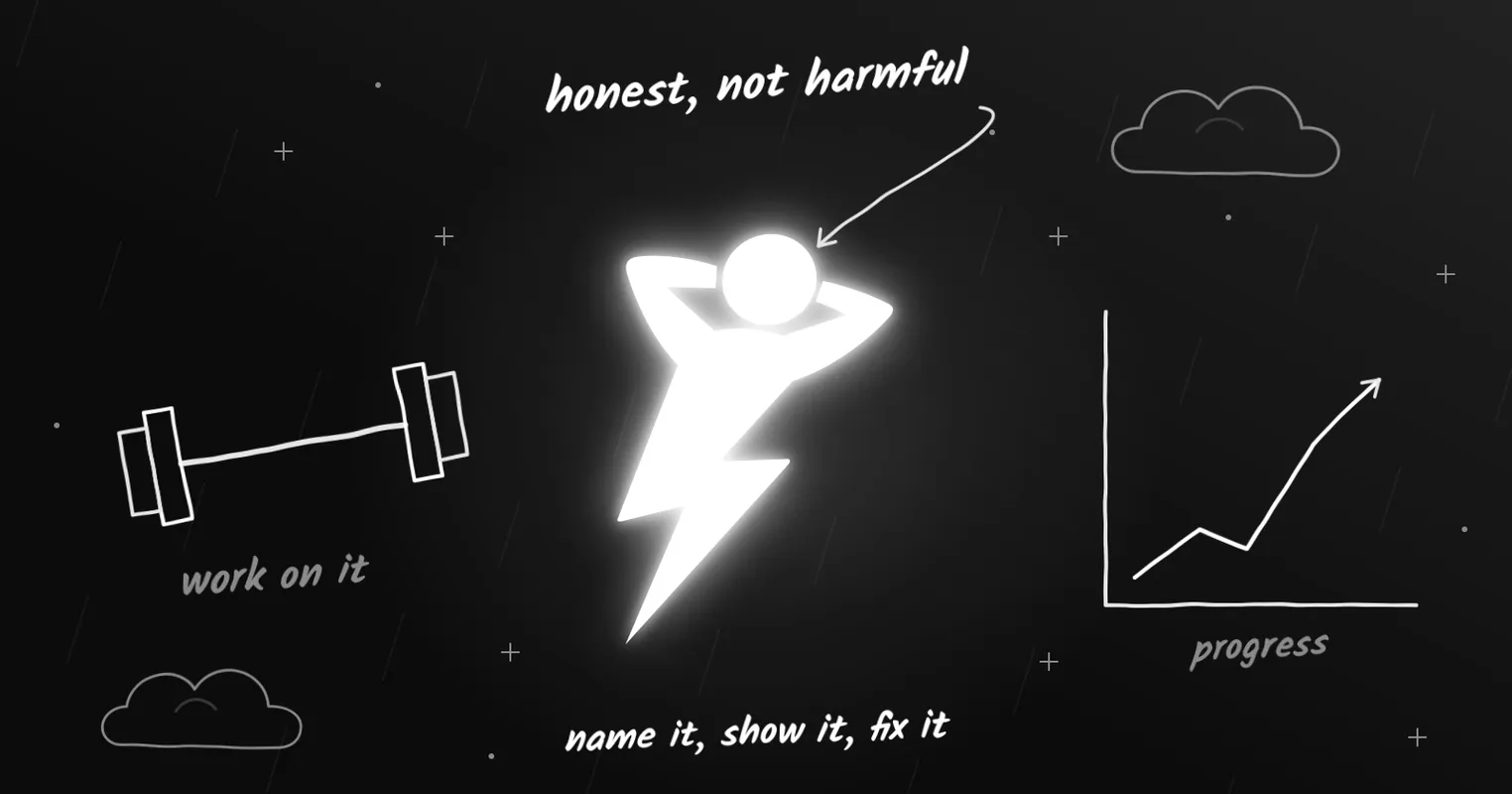
A simple three-step structure
- Name a real weakness in one sentence.
- Give a short example of how it showed up.
- Explain what you are doing about it, and the progress you have made.
Example: public speaking
“Presenting to large groups used to make me very nervous. In my first team-wide demo, I rushed through the slides and skipped the most important part.
Since then, I have volunteered to present in our weekly team meeting, and I always do a short practice run with a colleague first. Last quarter I presented our roadmap to about a hundred people, and the feedback was that it was clear and easy to follow.”
Example: saying yes too often
“I used to say yes to every request, which meant I sometimes had too many things in progress at once. One sprint, that caused me to deliver a feature later than planned.
Now I check my current workload before I commit to anything new, and I am open with my manager about trade-offs. My on-time delivery has been much more consistent since then.”
Example: delegating
“As I moved into a lead role, I found it hard to hand off work, because I felt faster doing it myself. That slowed the team down and limited how much others could grow.
I started assigning clear ownership of features to teammates and doing code reviews instead of writing everything myself. The team now ships more in parallel, and two of our engineers have taken on bigger responsibilities.”
Answers to avoid
- Fake weaknesses: “I am a perfectionist” or “I care too much.”
- Core skills for the role: a software engineer should not say “I am not good at coding.”
- No improvement plan: a weakness without action sounds like an excuse.
- Too personal: keep it about work.
How to prepare
Pick one weakness, write the three-step answer, and practice it out loud until it sounds natural. Prepare a second one in case the interviewer asks for another. The same storytelling structure works for many questions, so read our STAR method guide and how to answer “Tell me about yourself” too.
Where InterviewStorm helps
InterviewStorm builds answers from your own resume and suggests a clear structure for behavioral questions like this one, so your answer stays honest, specific, and short. See behavioral interview help.